
3 Quick and Effective Ways to Defrost Fish Without Losing Flavor or Quality
Defrosting fish incorrectly can compromise its flavor and freshness. However, a chef from a restaurant shared 3 simple methods to defrost fish without submerging it in water, ensuring it remains as fresh as when it was caught. These tips are excellent for preparing perfect dishes right from the start.
Fish is an important part of family meals, often enjoyed during holidays or when hosting guests. It symbolizes longevity and good wishes, making it a key part of celebratory meals. Besides, fish is rich in protein, low in fat, and nutritious, especially for children and the elderly, offering many health benefits when included in the diet.
Today, many families buy fish and store it in the freezer for convenience. While freezing fish is easy, proper defrosting is essential to retain its quality. Here are 3 tips shared by the chef to defrost fish while preserving its freshness:
1. Defrosting with Saltwater

You can use saltwater to defrost fish. Prepare a large bowl, add a tablespoon of salt, and pour water until the fish is fully submerged. Stir the water until the salt dissolves completely, then add the frozen fish to soak in the solution.
Salt helps defrost effectively, much like how it melts ice. After about 15 minutes, check the fish. If it's defrosted and still fresh, you can proceed with cooking right away.
2. Defrosting with White Vinegar
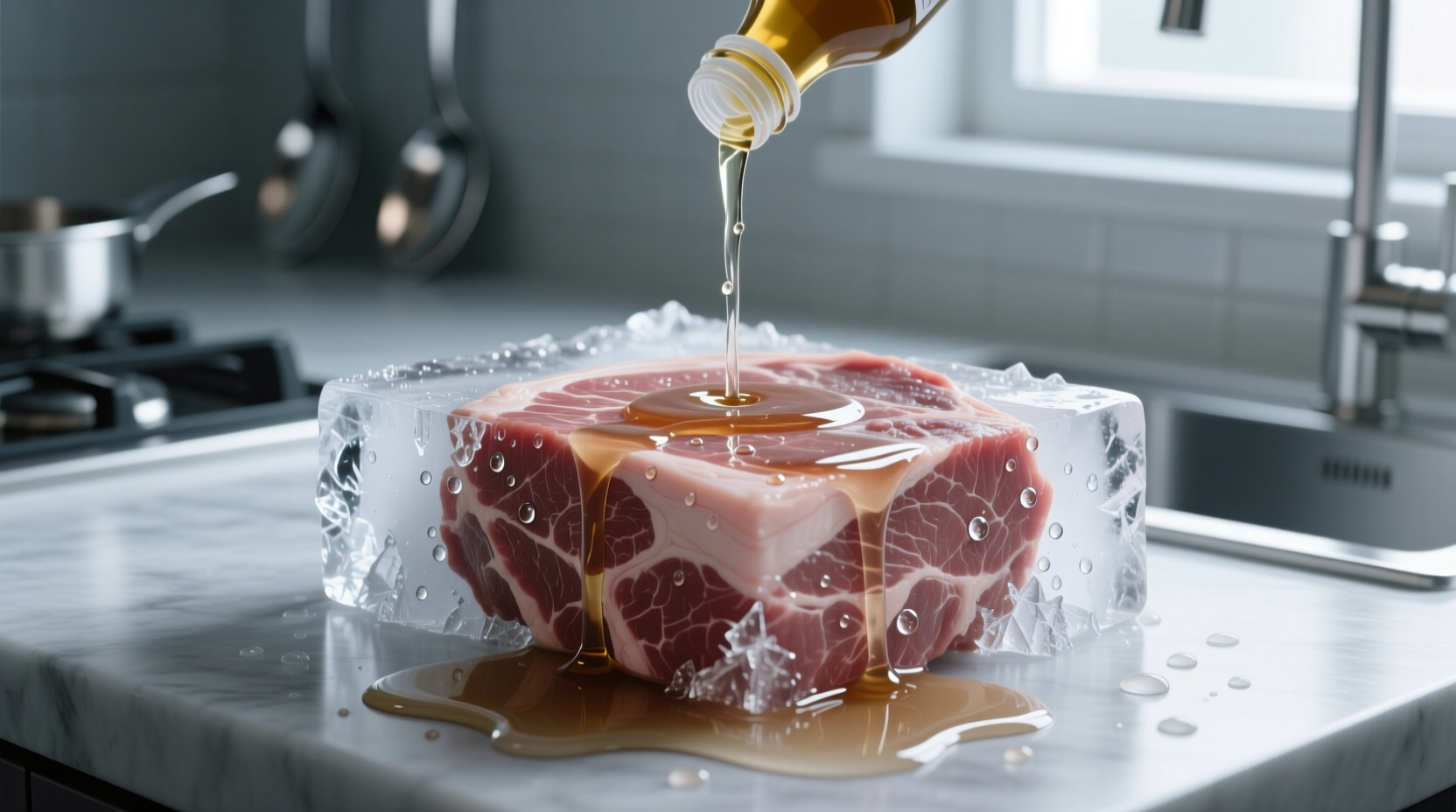
Another method is to use white vinegar. Prepare a large pot, add a sufficient amount of white vinegar (but don't add too much to avoid making the fish sour).
Stir the mixture and then immerse the frozen fish. While this method takes a bit longer than using saltwater, after about 20 minutes, the fish will be soft and fresh, ready for cooking.
3. Defrosting in the Microwave
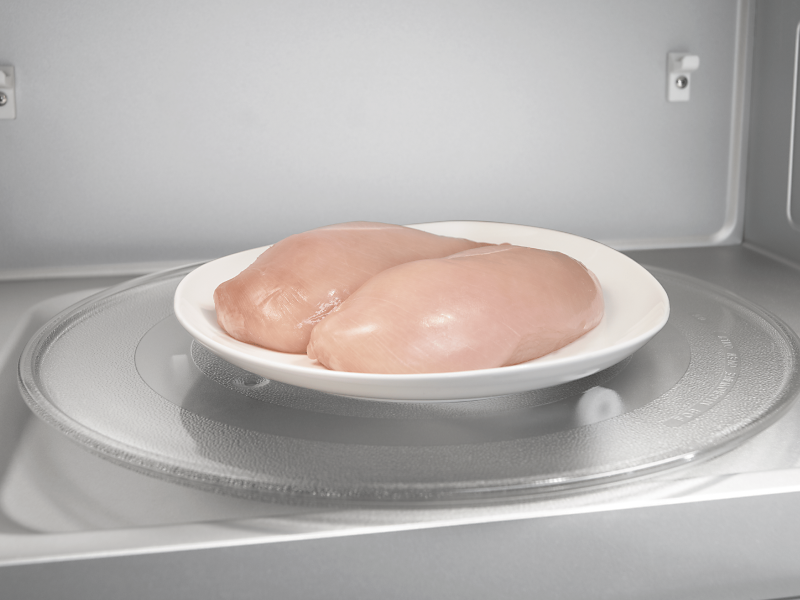
Defrosting fish in the microwave is a quick and convenient option. Simply take the fish out of the freezer, place it in the microwave, and set it to the defrost setting with low heat. Leave it in the microwave for about 3 minutes, then check the progress.
If it's not fully defrosted, you can microwave it for an additional 1-2 minutes until it’s completely soft. This method can also be used for pork and helps defrost quickly without sacrificing flavor.
Note: Avoid defrosting fish in cold water or boiling water, as this could affect the fish's quality.
By following these methods, you can defrost fish efficiently while keeping its taste and texture intact, allowing you to enjoy fresh meals every time.
The Best Way to Thaw Fish While Keeping It Tender, Moist, and Delicious
Although frozen fish is convenient, the way it is thawed can make a noticeable difference to the final dish. A fillet that is handled carefully may retain a pleasant texture and delicate flavor, while one that is thawed improperly can become watery, mushy, or dry after cooking.
The good news is that preserving fish quality does not require complicated equipment or expensive ingredients. Understanding how freezing affects fish, choosing the right thawing method, and following a few simple precautions can help you prepare better meals at home.
Why Does Fish Sometimes Become Mushy After Thawing?
Fish contains a large amount of water, and its delicate muscle structure is more fragile than that of many meats. When fish freezes, the water inside its tissues forms ice crystals. Depending on the freezing speed, storage conditions, and temperature fluctuations, these crystals can damage some of the muscle structure.
When the fish thaws, some of the water may escape as liquid. This is known as thawing loss or drip loss.
A small amount of liquid is normal, particularly with frozen fish. However, repeated freezing and thawing, long storage periods, or temperature fluctuations can increase moisture loss and affect texture.
This explains why two pieces of frozen fish may produce different results even when they are prepared using the same recipe.
Fish that was frozen quickly and stored at a stable temperature may retain its quality better than fish that thawed partially during transport and was frozen again.
The original quality of the fish matters, too. Freezing does not automatically make poor-quality fish fresh again, and thawing cannot reverse spoilage that occurred before freezing.
For the best results, purchase fish from a reliable supplier, keep it properly frozen, and thaw only the amount you intend to cook.
Method 1: Thawing Fish in the RefrigeratorIf you have enough time, refrigerator thawing is generally the best choice for maintaining food safety and controlling the thawing process.
The low temperature allows the fish to thaw gradually without spending extended periods in conditions that encourage bacterial growth.
How to do it correctly:
Remove the fish from the freezer and place it in a clean, leakproof container or on a plate.
Keep the fish covered to prevent contamination and stop its liquid from dripping onto other foods.
Place it on a lower refrigerator shelf, away from ready-to-eat foods.
Allow sufficient time for it to thaw, depending on its thickness and size.
Once thawed, cook it promptly.
Thin fillets may thaw overnight, while thicker cuts and whole fish can require longer. The exact time depends on the size of the fish, the refrigerator temperature, and how the fish was packaged.
Do not rely on a fixed number of hours for every type of fish. Check the center of the thickest part to determine whether it is still frozen.
One advantage of refrigerator thawing is that it gives you more control over meal preparation. You can move fish from the freezer to the refrigerator the night before and have it ready for dinner the next day.
This method also reduces the likelihood that the outer surface will warm significantly while the center remains frozen.
For families that regularly cook fish, planning ahead can make a real difference. Instead of waiting until the last minute to defrost a frozen fillet, include thawing time in your meal plan.
Method 2: Cold-Water Thawing When You Need Fish Sooner
Sometimes, you may forget to move the fish into the refrigerator ahead of time. In that situation, cold-water thawing can be a practical alternative.
Contrary to the claim that cold water should always be avoided, food-safety guidance generally recognizes cold-water thawing as an acceptable method when it is carried out correctly.
The key is to keep the fish in a leakproof package and use cold water rather than warm or hot water.
Follow these steps:
Make sure the fish is sealed in a leakproof plastic bag or suitable airtight packaging.
Place the package in a bowl of cold tap water.
Keep the fish fully submerged, using a clean plate or another suitable weight if necessary.
Change the water approximately every 30 minutes so that it remains cold.
Check the fish regularly and cook it immediately after it has thawed.
Thin fillets may thaw relatively quickly, while thick cuts or whole fish will take longer.
Never use warm or hot water to accelerate the process. The outer surface can become warm enough to encourage bacterial growth before the center has thawed.
Also, do not leave fish sitting in a bowl of water on the counter for several hours. Room-temperature thawing is not a safe substitute for refrigerator or properly controlled cold-water thawing.
The purpose of this method is to transfer heat more efficiently than air alone while keeping the fish cold enough for safe handling.
It is important to understand that cold-water thawing may cause some surface moisture changes, especially if the packaging leaks. Keeping the fish properly sealed helps preserve its natural flavor and prevents it from absorbing excess water.
Method 3: Using a Microwave for Last-Minute Meals
Microwave thawing is useful when you need to prepare fish quickly, but it requires more attention than refrigerator thawing.
Microwaves heat food unevenly. Some parts of a frozen fillet may begin to cook while the center remains icy. If the fish is left too long, the edges can become firm, dry, or rubbery.
This is why a microwave should be used only when you intend to cook the fish immediately afterward.
A safer approach is to:
Remove metal clips, foil, or packaging that is not labeled microwave-safe.
Place the fish in a microwave-safe dish.
Use the defrost setting or a low power level.
Check the fish frequently and turn or reposition it if necessary.
Separate individual fillets as they become flexible.
Stop when the fish is sufficiently thawed for cooking, even if a few small icy areas remain.
There is no universal three-minute rule. A thin fillet may need only a short period, while a large piece may require considerably longer. The wattage of the microwave and the size of the fish also influence the time.
If the edges begin to turn opaque or feel warm, stop the defrosting process and begin cooking.Because some areas may have started cooking during microwave thawing, the fish should not be returned to the refrigerator for prolonged storage in the same way as fish thawed slowly in the refrigerator.
Cook it immediately, following appropriate food-safety practices.
Microwave thawing can be convenient, but it is not always the best option if maintaining a particularly delicate texture is your main priority.
Should You Use Saltwater to Thaw Fish?
Saltwater is sometimes recommended as a household trick for thawing frozen fish. Salt can influence the freezing point of water, and brine is used in certain food-processing techniques. However, this does not mean that a homemade saltwater solution will reliably thaw every fish fillet in 15 minutes.
The speed of thawing depends on several factors, including the size of the fish, its initial temperature, the temperature of the surrounding liquid, and the thickness of the frozen portion.
A tablespoon of salt in a large bowl of water does not guarantee rapid thawing or improved texture.
Salt can also affect the surface of fish, potentially changing its flavor and moisture characteristics. The effect depends on the concentration and the amount of time the fish remains in contact with the solution.
If you choose to experiment with a saltwater technique for culinary reasons, avoid treating it as a substitute for safe temperature control. Keep the fish cold, do not leave it soaking for extended periods, and cook it promptly after thawing.
For most home cooks, refrigerator thawing or properly managed cold-water thawing is easier to standardize and does not require guessing the correct salt concentration.
Does White Vinegar Help Defrost Fish?
White vinegar is often promoted as a quick solution for thawing frozen meat and fish. However, vinegar is not a dependable shortcut for safely defrosting a frozen fillet.
Vinegar contains acetic acid, which can affect the proteins on the surface of fish. This is why acidic ingredients are used in marinades and in dishes such as ceviche, where acid changes the texture and appearance of the fish.
But acid does not make raw fish microbiologically safe in the same way that proper cooking does.
Soaking fish in vinegar may alter its flavor and texture before the center has thawed. If the concentration is too strong or the soaking time is too long, the surface may become noticeably acidic or firm.
The fish may also remain frozen in the center even when the outside feels soft.
If you enjoy the flavor of vinegar, it is generally more useful to incorporate it into a recipe or a carefully prepared marinade after thawing rather than relying on it as the main thawing method.
Remember that vinegar does not reverse spoilage and should not be used to disguise an unpleasant smell.
When it comes to preserving the natural taste of fish, fewer unnecessary steps are often better.
Five Common Mistakes That Can Ruin Frozen Fish
Even good-quality fish can turn out poorly if it is handled incorrectly. Avoiding a few common mistakes can help protect both its flavor and safety.
Mistake 1: Leaving Fish on the Kitchen Counter
Leaving frozen fish at room temperature may seem convenient, but it allows the outside to warm while the center remains frozen.
Bacteria can multiply more rapidly on the warmer surface, increasing the risk of foodborne illness.
Instead, thaw fish in the refrigerator, in properly managed cold water, or in the microwave immediately before cooking.
Mistake 2: Using Hot Water to Save Time
Hot water can make the outer layers of fish warm quickly, but the center may remain frozen. This uneven thawing can damage texture and create unsafe temperature conditions.
It is better to use cold water and allow a little more time than to expose the fish to unnecessary heat.
Mistake 3: Repeatedly Freezing and Thawing Fish
Repeated freeze-thaw cycles can increase moisture loss and weaken the texture of fish.
For example, if a large package contains several fillets, consider separating them into meal-sized portions before freezing, using clean utensils and suitable packaging.
This allows you to thaw only what you need.
If fish has been thawed safely in the refrigerator and has remained at refrigerator temperature, it may generally be refrozen without cooking, although the quality may decline. Fish thawed using cold water or a microwave should be cooked before refreezing.
When in doubt about how long the fish has been warm or whether it has been stored safely, do not take unnecessary risks.
Mistake 4: Washing Fish ExcessivelySome people believe that rinsing fish repeatedly will make it fresher or remove every unpleasant smell. In reality, washing raw fish is not a reliable way to eliminate harmful microorganisms, and splashing water can spread contamination around the sink and kitchen surfaces.
If the fish has excess liquid after thawing, gently pat it dry with clean paper towels.
This helps the surface brown more effectively when pan-frying or roasting and reduces excess moisture that could otherwise interfere with cooking.
Always wash your hands and clean surfaces and utensils that have contacted raw fish.
Mistake 5: Cooking Fish Before It Has Thawed Enough for the Recipe
Some fish can be cooked directly from frozen, depending on the cooking method and product instructions. However, partially thawed fish may cook unevenly if the recipe assumes that the fish is fully thawed.
For pan-frying, for example, excess surface ice can cause splattering and make it difficult to achieve a crisp exterior.
For baking, a frozen center may require a longer cooking time than expected.
If you are cooking fish from frozen, follow a recipe designed for that method and check that the thickest portion reaches a safe internal temperature.
For fish that is thawed first, patting the surface dry and allowing it to drain briefly can improve the final texture.
How to Tell Whether Thawed Fish Is Still Good
Freshness begins before the fish enters your freezer. Proper freezing can help preserve quality, but it cannot restore fish that was already spoiled.
After thawing, examine the fish carefully.
Fresh or properly frozen-and-thawed fish should generally have a mild, characteristic smell rather than a strong sour, rancid, or ammonia-like odor. Its flesh should look reasonably intact for the species and product, without unusual discoloration or a slimy coating that suggests spoilage.
Some variation is normal. Different fish species naturally have different colors, textures, and smells, and vacuum-packed fish may have a temporary odor when first opened.
Follow the product instructions and allow appropriate ventilation if the packaging recommends it. If an unusual odor persists, or if the fish has other signs of spoilage, discard it.
Do not taste raw fish to determine whether it is safe.
Also, remember that harmful microorganisms may be present without producing an obvious smell or visible change. Appearance and odor alone cannot guarantee safety.
That is why proper storage, safe thawing, and adequate cooking are essential even when fish looks perfectly normal.
How to Preserve Fish Flavor After Thawing
Once the fish has thawed, the next step is to cook it in a way that complements its natural texture.
Fish is generally delicate and cooks faster than many cuts of meat. Excessive heat or cooking time can cause it to dry out and become firm.
For pan-fried fish, remove excess surface moisture before cooking. A dry surface is more likely to develop a golden crust, while a wet surface may steam instead.
For steamed fish, gentle cooking can help retain moisture and highlight its natural flavor. Ginger, scallions, herbs, and a small amount of soy sauce or another suitable seasoning can add aroma without overwhelming the fish.
For baked fish, consider using a covered baking dish or adding a modest amount of liquid, depending on the recipe. This can help prevent the surface from drying out.
For soups and stews, add fish at the appropriate stage rather than simmering delicate fillets for unnecessarily long periods. The fish should cook through while retaining as much of its natural structure as possible.
Whatever method you choose, avoid relying on strong seasonings to conceal fish that smells spoiled. Seasoning can improve the flavor of good-quality fish, but it cannot make unsafe fish safe.
How Long Can You Keep Fish After Thawing?
Storage time depends on the type of fish, the condition in which it was frozen, the thawing method, and the temperature at which it has been kept.
As a general food-safety guideline, raw fish thawed in the refrigerator should usually be cooked within one to two days, provided it has been continuously held at a safe refrigerator temperature and the product instructions do not require a shorter period.
Fish thawed in cold water or a microwave should be cooked immediately.
Never assume that fish is safe simply because it has been frozen. Freezing slows or stops the growth of many microorganisms while the food remains frozen, but it does not reliably eliminate all harmful bacteria or parasites.
For fish intended to be eaten raw or lightly cooked, follow the supplier's guidance and recognized food-safety recommendations. Ordinary freezing at home should not be assumed to eliminate all parasites that may be present in fish.When preparing fish for children, older adults, pregnant people, or anyone with a weakened immune system, be especially careful about storage and cooking.
For most fish, cooking to an internal temperature of 63°C (145°F) is a widely used food-safety recommendation. The flesh should be opaque and separate easily with a fork, although a thermometer provides a more reliable check than appearance alone.
The Smartest Strategy: Plan Ahead
If you want fish to taste good without rushing the preparation, the simplest solution is often to plan ahead.
When you bring fish home, divide it into portions suitable for individual meals. Wrap or package the portions securely, label them with the date, and freeze them promptly if you will not use them soon.
On the day before cooking, transfer the required portion to the refrigerator in a covered container.
This approach reduces the need for last-minute thawing tricks and makes it easier to keep the rest of the fish safely frozen.
If you forget, cold-water thawing can be a practical alternative when done correctly. Microwave thawing is another option when you need to cook immediately.
Saltwater and vinegar may have culinary uses, but neither should be presented as a guaranteed way to thaw fish rapidly while preserving every aspect of its quality.
Ultimately, the most effective method is the one that balances food safety, convenience, and the kind of dish you want to prepare.
Final Thoughts
Frozen fish can be a nutritious and convenient part of a balanced diet. With proper storage and careful thawing, it can produce delicious meals without requiring complicated techniques.
The secret is not necessarily a special ingredient or a restaurant chef's trick. It is understanding how temperature affects food and choosing a method suited to your schedule.
Use the refrigerator when you have time. Use cold water when you need a faster method and can follow the necessary precautions. Use the microwave only when you are ready to cook immediately afterward.
Avoid leaving fish on the counter, soaking it in hot water, or assuming that vinegar and salt can guarantee freshness.
Most importantly, remember that food safety comes before appearance. A fish fillet that looks attractive is not necessarily safe if it has been stored improperly.
The best fish is not simply the fish that thaws the fastest. It is the fish that has been handled safely, cooked properly, and served while its natural flavor and texture are still at their best.
More Than Defrosting: How to Protect the Flavor, Texture, and Safety of Fish from Freezer to Table
Why the Way You Thaw Fish Matters More Than You Think
Fish is one of the most delicate foods in the kitchen. Unlike many cuts of meat, fish often contains relatively little connective tissue, and its muscle fibers are arranged in a way that makes them especially vulnerable to changes in temperature and moisture. This is one reason fish can go from tender and flaky to dry, watery, or mushy when it is handled incorrectly.
Many people pay close attention to the type of fish they buy, the seasoning they use, and the cooking method they choose. Yet they may overlook the step that happens before the fish reaches the pan: thawing.
The thawing process affects more than convenience. It influences how evenly the fish cooks, how much liquid it releases, how well seasonings adhere to its surface, and how pleasant its texture will be after cooking. It also affects food safety because frozen fish can become vulnerable to bacterial growth once its temperature rises.
Freezing does not automatically make fish unsafe, nor does it eliminate every possible food safety concern. Freezing generally slows or stops the growth of many microorganisms while the food remains frozen, but it does not reliably destroy all bacteria or toxins that may already be present. Once fish begins to thaw, any surviving microorganisms can become active again under favorable conditions.
This is why the goal is not simply to make a frozen fillet soft enough to cook. The goal is to thaw it in a way that protects its quality while limiting the time it spends at temperatures where harmful bacteria can multiply.
The good news is that this does not require expensive equipment or complicated techniques. A refrigerator, a leakproof bag, a bowl of cold water, and a little planning are often enough.
Understanding What Happens Inside Frozen Fish
To understand why some thawing methods work better than


0 commentaires:
Enregistrer un commentaire